
Digital Therapeutics in the UK: The Post-Brexit Landscape
Digital Therapeutics in the UK: The Post-Brexit Landscape
Regulatory Affairs Software Solutions & Services Medical Devices In Vitro Diagnostics
Wednesday, 13 March 2024

QbD Group

 Share
 \
\
X (Twitter)
 \
\
LinkedIn
 \
\
WhatsApp
 \
\
Copy link
 \
\
Mail
In this blog post, we delve into the intricacies of Digital Therapeutics (DTx) regulation in the UK, especially in light of Brexit in January 2020.
Play
Digital Therapeutics in the UK: The Post-Brexit Landscape | QbD Group
AI-generated audio
4:39
In earlier blog posts, we spotlighted the EU member states – Germany, Belgium, and France – and their adoption of the fast-track procedure for reimbursement.
Now, let’s delve into the intricacies of Digital Therapeutics (DTx) regulation in the UK, especially in light of Brexit in January 2020.
We’ll cover UKCA and CE marking, NHSx and DTAC requirements, as well as DTx reimbursement in the UK.
UK’s Post-Brexit Regulatory Landscape
Post-Brexit, DTx products in the UK are regulated as medical devices, necessitating either a CE or UKCA mark.
-
UKCA Marking: The regulatory requisites for medical devices in the UK are encapsulated within the UK law MDR 2002 (amended). Under this law, DTx, being a medical device, must fulfil all MDR 2002 requirements to secure a UKCA marking from approved UK bodies.
-
CE Marking: In light of the economic implications post-Brexit, the UK opted for a gradual transition for medical device regulations, extending significant transition periods. Consequently, CE-marked products will continue to be accepted in the UK at least until 30 June 2030, depending on device classification. Comprehensive details on transitional periods can be located on the MHRA website. Further insights into CE-marked DTx can be gleaned from the previous chapter.
The Role of NHSx and DTAC in UK’s DTx Landscape
Beyond the CE or UKCA markings, DTx products in the UK undergo evaluations by NHSx and NICE, ensuring their economic viability, reimbursement potential, and accessibility for patients in line with the UK’s regulatory framework.
NHSx is a collaborative initiative between the Department of Health and Social Care, NHS England, and NHS Improvement. Its inception was driven by the aspiration to digitally transform care, a vision spearheaded by England’s Transformation Directorate from February 2020 onwards.
In the subsequent month, NHSx unveiled the Digital Health Technology Standard, which elucidates the requisite benchmarks that digital health technology must attain within the UK. This standard, also known as the Digital Technology Assessment Criteria (DTAC), encompasses domains like clinical safety, data protection, technical security, interoperability, and usability & accessibility.
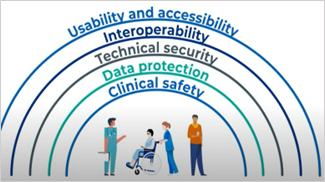
Figure 1 – Key components of DTAC assessment criteria ( Source)
The DTAC requirements are intrinsically tied to the UK’s health IT clinical risk standard, known as DCB0129. This standard guides the development and maintenance of Digital Therapeutics (DTx). Furthermore, DTAC incorporates stipulations from the UK’s Medical Device Regulation (MDR) 2002, albeit with amendments.
To ensure a comprehensive assessment for UK reimbursement approvals, DTAC has also introduced specific criteria that cater to five fundamental pillars: Clinical Safety, Data Protection, Technical Security, Interoperability, and Usability & Accessibility.
An accessible self-assessment form aids stakeholders in ensuring their digital solutions align with UK standards, and interested parties can even subscribe for email notifications about impending DTAC modifications.
The Path to DTx Reimbursement in the UK
NICE, as the Health Technology Assessment Agency, lays down the evidence framework. It has formulated 21 different evidence standards ( ESF) to equip the MHRA with tools for evaluating health technologies. These standards also guide digital health tech innovators and manufacturers proactively. DTx designers and developers can contact NICA and MHRA in an early stage.
Depending on the technology’s intended use, it’s assigned to one of the three tiers which determine its evidence requirements:
-
Tier A: Technologies aimed at cost-saving or freeing up staff time without direct patient or health outcomes.
-
Tier B: Technologies assisting individuals in managing their health and well-being.
-
Tier C: Technologies meant for diagnosing, treating medical conditions, or guiding care choices.
Should a product receive a favorable evaluation by NICE, indicating benefits for both patients and the NHS, it becomes eligible for the reimbursement program.
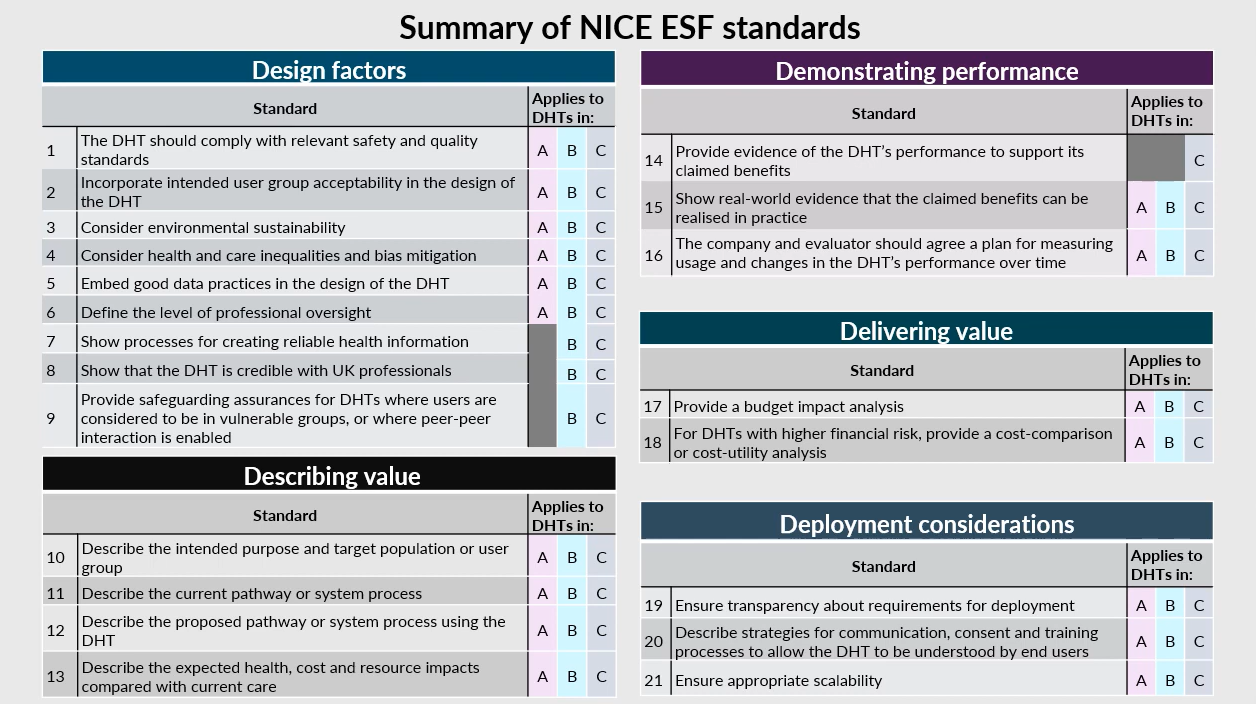
Figure 2 – Overview of NICE evidence standards vs. the pertinent ESF Digital Health Technology risk level ( Source)
Conclusion
While the UK might initially appear as a complex market for DTx and digital health entities, the streamlined processes like CE and UKCA markings, combined with specific guidelines like DTAC and NICE evidence standards, make it an appealing destination.
The UK’s proactive approach, emphasizing early engagement between DTx developers and national evaluation (NICE) and approval (MHRA) entities, underscores its commitment to enhancing healthcare outcomes while optimizing costs.
In the next DTx blog post, we’ll transition from the European regulatory milieu to explore what the vast regulatory landscape of the United States holds for DTx.
Stay ahead in life sciences
Keeping up with the fast-paced life sciences industry doesn’t have to be overwhelming.
Our newsletter delivers the latest insights, industry updates, and expert content directly to your inbox, helping you stay informed and make smarter decisions.

Discover more expert content

Webinar
From Strategy to First-in-Human: A Practical Roadmap for Biotech Development
Join our webinar to learn how to navigate nitrosamine risks and streamline your biotech development from early planning to first-in-human trials. Register now for expert insights.

Webinar
PMS & PMCF Compliance for Medical Devices Under EU MDR
Gain practical insights on PMS & PMCF compliance for medical devices under EU MDR. Watch our webinars on demand.

Case study
A Decade of Excellence: Linguistic Review Support for a Global Pharma Leader
QbD Group streamlines linguistic reviews for a leading pharma client, ensuring compliance and accuracy across 25 EU/EEA languages while meeting stringent regulatory deadlines.

Case study
Supporting Market Access to Essential Medicines in Europe
Support your entry into the European pharmaceutical market with expert regulatory guidance, ensuring compliance and access to essential medicines for patients. Contact us today for assistance.

Whitepaper
Medical Device Regulation (MDR) Checklist
Implement the Medical Device Regulation (MDR) with ease. Download our checklist of mandatory documents for MDR compliance.

Whitepaper
Regulatory Affairs for Pharma and Biotech
In this flyer, you will learn more about the regulatory services QbD Group provides for the pharmaceutical and biotechnology industries.

Whitepaper
Clinical Evaluation for Medical Devices under MDR
This whitepaper will guide you through crucial regulatory documents pertaining to the clinical evaluation process of your medical device. Download now!

Whitepaper
IVDR extension: what does this mean for you?
In this whitepaper, you will learn the impact of the IVDR transition extension and receive tips and strategies to navigate these regulatory changes.

Webinar
Drug-Device Combination Products and Article 117
Explore the regulatory complexities of Drug-Device Combination Products. Learn about Article 117 requirements, Notified Body Opinions, and more.

Whitepaper
Mobile health on the rise: exploring the regulatory landscape for reimbursement
This whitepaper will help you navigate the maze of the DTx regulatory environment, highlighting several important countries and regulations.

Whitepaper
Clinical investigations under MDR: key insights and practical experiences
This whitepaper covers clinical investigation authorization under MDR, the EU Legal Representative's role, and the MDR's impact on study conduct and post-market surveillance.
Case study
CE Mark Renewal for bioXtra Products: A Success Story
Discover how Lifestream Pharma successfully renewed the CE mark for their BioXtra Dry Mouth products under the EU MDR. Learn about the challenges faced, the approach taken for compliance, and the results achieved.

Webinar
Technical Documentation Essentials for Medical Device Software
Gain practical insights on crafting MDR-compliant technical documentation for Medical Device Software.

Webinar
Getting Started: Overcoming Initial Obstacles in Medical Device Software Development
Watch our webinar on demand and learn about regulatory obstacles, MDR, AI Act, and best practices for medical device software development and market entry.

Webinar
Mastering Clinical Performance Studies under IVDR
In the evolving regulatory landscape of IVDs, demonstrating clinical performance is more crucial and challenging than ever. Discover more in this webinar on demand.

Whitepaper
Clinical evidence for In Vitro Diagnostics under IVDR
In this whitepaper, we will guide you through the documents required for the demonstration of clinical evidence under the IVDR. Download now.

Webinar
Post-Market Surveillance Requirements for Medical Devices and IVDs
Learn about post-market surveillance requirements under MDR and IVDR regulations. Gain insights from industry experts in this on-demand webinar.

Whitepaper
The key role of Regulatory Affairs in the pharmaceutical industry: from drug development to commercialization
Discover the key role of Regulatory Affairs in pharma and how Regulatory Affairs teams support product lifecycle management in this whitepaper. Download now.

Webinar
3D Printing in the Healthcare World
Explore the challenges and opportunities of 3D printing in healthcare, featuring expert insights on regulations, pitfalls, and efficiency.

Webinar
IVDR Extension Explained: Tips & Strategies
Gain valuable insights on the IVDR extension and its impact on IVD manufacturers with our webinar on demand.

Whitepaper
Innovations in ATMP: state of the industry in 2024
This whitepaper explores the innovations in ATMP and solutions in detail, with a focus on the current landscape as of April 2024. Download now.

Case study
The journey toward IVDR compliance for the LVOne device
QbD Group helped Upfront Diagnostics gain entry into the MD/IVD industry by supporting them on their path to ISO 13485 certification.

Case study
Ensuring a smooth MDR transition for Oystershell's medical devices
The landscape of medical device regulations is constantly evolving, making it a challenge for companies to keep up. Our collaboration with Oystershell, which began in July 2023, highlights our expertise in transforming complex challenges into success stories, all with a touch of QbD Clinical magic.

Case study
Successful clinical evaluation supports rapid CE marking of Minze Health's Uroflowmeter
QbD Clinical assisted Minze Health, a urology-focused medical devices company, in obtaining CE marking under MDR through clinical evaluation.

Webinar
The Medical Device CE Certification Pathway Explained: From Classification to Conformity Assessment by the Notified Body
Learn about the Medical Device CE Certification Pathway, from classification to conformity assessment by a Notified Body. Join our webinar on demand.

Case study
Helping Relu to comply with changing regulations
QbD Group supported software company Relu with their expertise to comply with changing regulations.

Case study
Quickly bringing a new COVID-19 medical device to market
Obtaining the required government certifications for a medical device is always a challenge. Especially when the COVID clock is ticking.
Twitter Widget Iframe