
The DTx Landscape in Belgium, France, and Their Inspiration from the German Model
The DTx Landscape in Belgium, France, and Their Inspiration from the German Model
Regulatory Affairs Software Solutions & Services Medical Devices In Vitro Diagnostics
Wednesday, 28 February 2024

QbD Group

 Share
Share
 \
\
X (Twitter)
\
\
X (Twitter)  \
\
LinkedIn
\
\
LinkedIn  \
\
WhatsApp
\
\
WhatsApp  \
\
Copy link
\
\
Copy link  \
\
Mail
\
\
Mail
In this blog post, we delve into the DTx regulations of Belgium and France, focusing on their reimbursement strategies and providing a glimpse into how other EU member states fare in comparison.
Play
The DTx Landscape in Belgium, France, and their inspiration from the German Model | QbD Group
AI-generated audio
5:43
All Digital Therapeutics (DTx) must adhere to the EU’s foundational CE marking requirements as detailed in our blog post on the ‘ EU regulatory landscape‘.
Germany has set the bar high, offering a robust model that emphasizes patient safety, data protection, and a streamlined prescription and reimbursement approval flow, as discussed in ‘ Digital Therapeutics (DTx) in Germany: Pioneering “Deutsche Gründlichkeit” with Quality by Design‘.
Notably, Belgium and France have drawn inspiration from this German model. In this blog post, we delve into the DTx regulations of Belgium and France, focusing on their reimbursement strategies and providing a glimpse into how other EU member states fare in comparison.
Free whitepaper
Mobile Health on the Rise
This whitepaper will help you navigate the intricate maze of the current DTx regulatory environment, highlighting several important countries and regulations.
Belgium: mHealth and its Reimbursement Process
Unlike Germany, which has additional DTx-specific regulations, Belgium has not signalled intentions to regulate digital health apps directly. Instead, the nation prioritizes prescriptionand reimbursement. Belgium boasts a tiered ‘pyramid process’ to navigate this approval flow.
The German Digital Health Application Authority (BfArM’s DiGa) leads this process in Germany, whereas in Belgium, the responsibility is shared amongst three key divisions:
- Health Authority FAMHP (Federal Agency for Medicines and Health Products)
- eHealth Platform, a dedicated federal entity
- NIHDI (National Institute for Health and Disability Insurance)
Each of these divisions plays a pivotal role at different stages of the Belgium mobile Health (M-Health) validation pyramid. Beginning at the pyramid’s base (M1), the approval process can potentially escalate to the second level (M2) and culminate at the topmost tier, ensuring reimbursement.
As of now, 39 mHealth apps have made their mark in the Belgian pyramid, with details publicly available on the Belgium mHealth website. For those keen on initiating this approval process, comprehensive guidelines and criteria are provided on the mHealth site.
In essence, the requirements are:
- CE marking as a medical device
- Adherence to the EU General Data Protection Regulation
- Positive assessment of general necessities (including data protection, information security, interoperability, and user-friendliness)
- Clinical evaluations proving both feasibility and value to national health
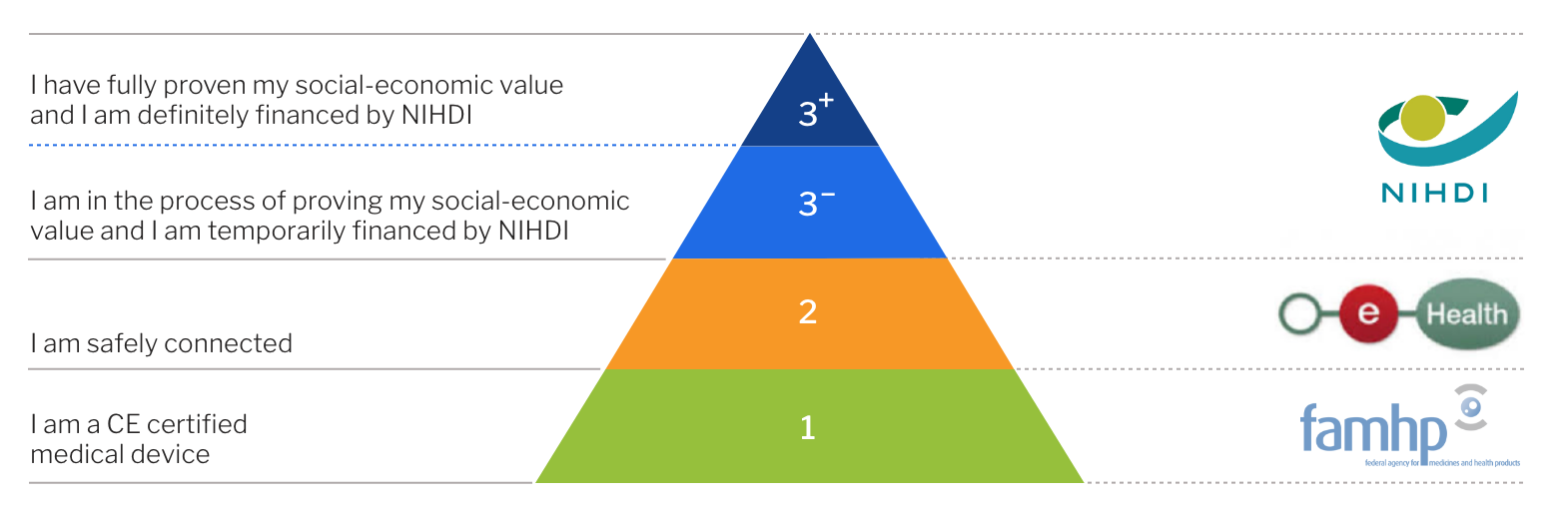
Figure 1 – Validation pyramid representing the Belgium reimbursement approval flow ( Source)
France: Paving the Path for DTx Reimbursement
French President Emmanuel Macron has expressed intentions to emulate Germany’s success in digital therapeutics. Speaking at the Health Tech Innovation Days in 2021, Macron highlighted France’s plan to expedite market access for innovative health products.
While France has successfully established its reimbursement process, the related regulations are projected to be in place by the end of 2023. The guidance principles that elucidate this process are formulated by the HAS (French National Authority of Health). The Medical Device and Health Technology Evaluation Committee ( CNEDiMTS) plays a supporting role in the evaluation process.
To qualify as a ‘Reimbursed app’, the medical device must meet several standards, such as EU GDPR compliance, health technology assessment, clinical evidence evaluation, a demonstration of clinical and socio-economic added value, and more. However, a standardized reimbursement pathway for DTx products is still in its infancy, although individual funding decisions can be made.
DTx in Other EU Member States
Germany, Belgium, and France are seen as the leading countries in health mobile apps. What about the other EU Member States?
We‘ll explain the reimbursement implementation vision for each pre-Brexit European member state as displayed in the Figure beneath.
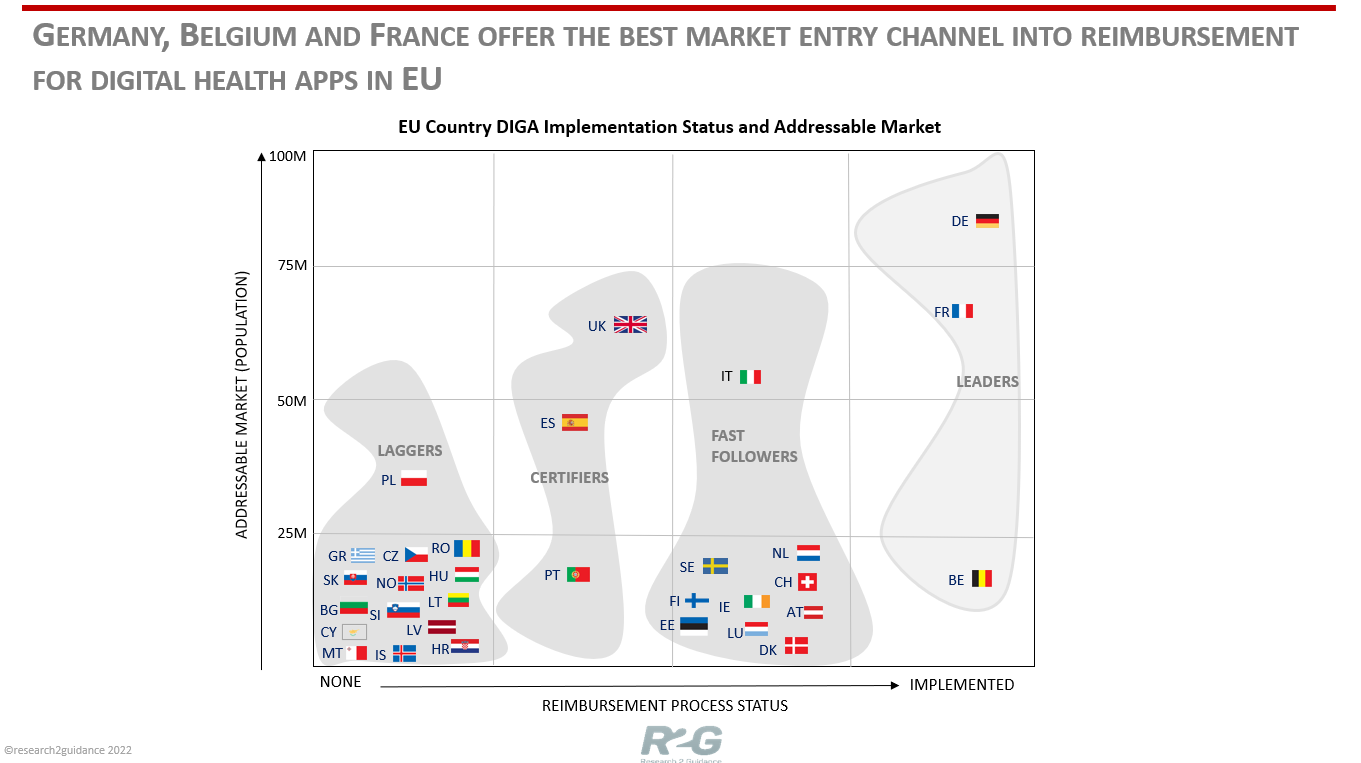
Figure 2 – Reimbursement implementation status Europe pre Brexit ( Source)
Germany, closely followed by France and Belgium are leading Europe with the DTx reimbursement process.
Italy, the Netherlands, Austria,Finland, Ireland, Luxembourg, Sweden, Denmark, Switzerland, and Estonia are the fast followers following the leaders by implementing a German DiGa-like process in the near future.
- If you are interested in the progress of the Netherlands, early information can be found on the NeLL – National eHealth Living Lab website
- If you are interested in the progress of Italy, we recommend reading ‘ Digital Therapeutics, an Opportunity for Italy’
Countries like Spain (specifically in the Andalucía region), Portugal, and the UK stand out, not for a uniform reimbursement system but rather for their emphasis on a certification process. In these countries, entities known as “Certifiers” bestow quality endorsements to digital health apps.
However, there isn’t a standardized pathway for these certified apps to be prescribed. This approach contrasts with the modus operandi of “Leader” countries, where the emphasis lies in creating a comprehensive reimbursement mechanism.
In the context of the Certifiers, the primary consideration is whether an app meets certain specified requirements and hence deserves a quality seal. The actual potential for prescription and subsequent reimbursement is secondary.
On the other hand, there’s a group of European nations that can be termed as “Laggers.” These include Hungary, Croatia, Greece, Latvia, Poland, Bulgaria, Slovakia, Lithuania, Malta, the Czech Republic, the Republic of Cyprus, Romania, Norway, and Iceland. Presently, these countries display no inclination towards adopting a DiGA-like framework in the foreseeable future.
Free whitepaper
Mobile Health on the Rise
This whitepaper will help you navigate the intricate maze of the current DTx regulatory environment, highlighting several important countries and regulations.
Conclusion
Belgium and France, in sync with Germany, are pioneering Europe’s mobile health landscape, each boasting a unique reimbursement mechanism.
While several European nations are swiftly aligning their policies with the German gold standard, others remain on the sidelines, yet to chart a clear path for their DTx future.

Expert knowledge in Medical Devices
Let’s get your medical device to market. We support you from concept to launch in the full lifecycle.
Stay ahead in life sciences
Keeping up with the fast-paced life sciences industry doesn’t have to be overwhelming.
Our newsletter delivers the latest insights, industry updates, and expert content directly to your inbox, helping you stay informed and make smarter decisions.

Discover more expert content

Webinar
From Strategy to First-in-Human: A Practical Roadmap for Biotech Development
Join our webinar to learn how to navigate nitrosamine risks and streamline your biotech development from early planning to first-in-human trials. Register now for expert insights.

Webinar
PMS & PMCF Compliance for Medical Devices Under EU MDR
Gain practical insights on PMS & PMCF compliance for medical devices under EU MDR. Watch our webinars on demand.

Case study
A Decade of Excellence: Linguistic Review Support for a Global Pharma Leader
QbD Group streamlines linguistic reviews for a leading pharma client, ensuring compliance and accuracy across 25 EU/EEA languages while meeting stringent regulatory deadlines.

Case study
Supporting Market Access to Essential Medicines in Europe
Support your entry into the European pharmaceutical market with expert regulatory guidance, ensuring compliance and access to essential medicines for patients. Contact us today for assistance.
%20Checklist.jpg)
Whitepaper
Medical Device Regulation (MDR) Checklist
Implement the Medical Device Regulation (MDR) with ease. Download our checklist of mandatory documents for MDR compliance.

Whitepaper
Regulatory Affairs for Pharma and Biotech
In this flyer, you will learn more about the regulatory services QbD Group provides for the pharmaceutical and biotechnology industries.

Whitepaper
Clinical Evaluation for Medical Devices under MDR
This whitepaper will guide you through crucial regulatory documents pertaining to the clinical evaluation process of your medical device. Download now!

Whitepaper
IVDR extension: what does this mean for you?
In this whitepaper, you will learn the impact of the IVDR transition extension and receive tips and strategies to navigate these regulatory changes.

Webinar
Drug-Device Combination Products and Article 117
Explore the regulatory complexities of Drug-Device Combination Products. Learn about Article 117 requirements, Notified Body Opinions, and more.

Whitepaper
Mobile health on the rise: exploring the regulatory landscape for reimbursement
This whitepaper will help you navigate the maze of the DTx regulatory environment, highlighting several important countries and regulations.

Whitepaper
Clinical investigations under MDR: key insights and practical experiences
This whitepaper covers clinical investigation authorization under MDR, the EU Legal Representative's role, and the MDR's impact on study conduct and post-market surveillance.
Case study
CE Mark Renewal for bioXtra Products: A Success Story
Discover how Lifestream Pharma successfully renewed the CE mark for their BioXtra Dry Mouth products under the EU MDR. Learn about the challenges faced, the approach taken for compliance, and the results achieved.

Webinar
Technical Documentation Essentials for Medical Device Software
Gain practical insights on crafting MDR-compliant technical documentation for Medical Device Software.
.jpg)
Webinar
Getting Started: Overcoming Initial Obstacles in Medical Device Software Development
Watch our webinar on demand and learn about regulatory obstacles, MDR, AI Act, and best practices for medical device software development and market entry.

Webinar
Mastering Clinical Performance Studies under IVDR
In the evolving regulatory landscape of IVDs, demonstrating clinical performance is more crucial and challenging than ever. Discover more in this webinar on demand.
Whitepaper
Clinical evidence for In Vitro Diagnostics under IVDR
In this whitepaper, we will guide you through the documents required for the demonstration of clinical evidence under the IVDR. Download now.

Webinar
Post-Market Surveillance Requirements for Medical Devices and IVDs
Learn about post-market surveillance requirements under MDR and IVDR regulations. Gain insights from industry experts in this on-demand webinar.

Whitepaper
The key role of Regulatory Affairs in the pharmaceutical industry: from drug development to commercialization
Discover the key role of Regulatory Affairs in pharma and how Regulatory Affairs teams support product lifecycle management in this whitepaper. Download now.
.jpg)
Webinar
3D Printing in the Healthcare World
Explore the challenges and opportunities of 3D printing in healthcare, featuring expert insights on regulations, pitfalls, and efficiency.
.jpg)
Webinar
IVDR Extension Explained: Tips & Strategies
Gain valuable insights on the IVDR extension and its impact on IVD manufacturers with our webinar on demand.

Whitepaper
Innovations in ATMP: state of the industry in 2024
This whitepaper explores the innovations in ATMP and solutions in detail, with a focus on the current landscape as of April 2024. Download now.
.jpg)
Case study
The journey toward IVDR compliance for the LVOne device
QbD Group helped Upfront Diagnostics gain entry into the MD/IVD industry by supporting them on their path to ISO 13485 certification.

Case study
Ensuring a smooth MDR transition for Oystershell's medical devices
The landscape of medical device regulations is constantly evolving, making it a challenge for companies to keep up. Our collaboration with Oystershell, which began in July 2023, highlights our expertise in transforming complex challenges into success stories, all with a touch of QbD Clinical magic.
Case study
Successful clinical evaluation supports rapid CE marking of Minze Health's Uroflowmeter
QbD Clinical assisted Minze Health, a urology-focused medical devices company, in obtaining CE marking under MDR through clinical evaluation.
.jpg)
Webinar
The Medical Device CE Certification Pathway Explained: From Classification to Conformity Assessment by the Notified Body
Learn about the Medical Device CE Certification Pathway, from classification to conformity assessment by a Notified Body. Join our webinar on demand.
.jpg)
Case study
Helping Relu to comply with changing regulations
QbD Group supported software company Relu with their expertise to comply with changing regulations.
.png)
Case study
Quickly bringing a new COVID-19 medical device to market
Obtaining the required government certifications for a medical device is always a challenge. Especially when the COVID clock is ticking.
Twitter Widget Iframe